The Procedure
The hip is a ball-and-socket joint where the round head of the femur moves within the acetabulum, the socket that holds the ball in place. The hip may be prone to developing arthritis, where the smooth cartilage that lines the joint is eroded away, leading to pain, stiffness, and reduced mobility. Causes of arthritis range from age-related wear and tear (osteoarthritis) to previous hip injuries and inflammatory conditions (e.g. rheumatoid arthritis).
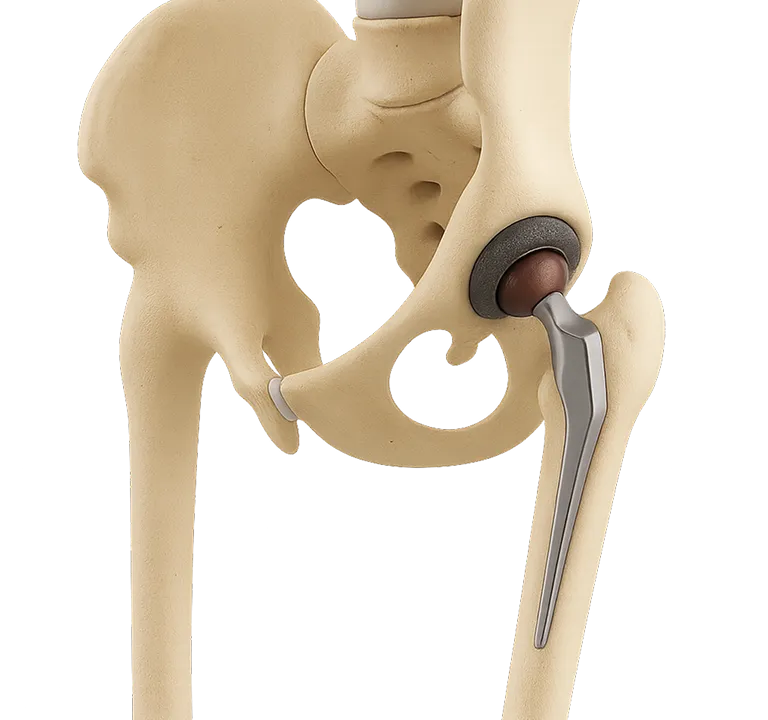
To alleviate the pain and stiffness that comes with arthritis, some patients require surgical replacement of their hip joint with a prosthesis, a procedure called arthroplasty. However, in some cases, much of the hip can be preserved, and only the surface of the joint, where the ball and its socket meet, can be replaced - a procedure called hip resurfacing.
In hip resurfacing, the surgeon removes the damaged cartilage and a small portion of bone from the femoral head. After this, the remaining bone is covered with a metal cap, and the acetabulum is also resurfaced with a metal cup. Unlike in a partial or total hip replacement, where the entire femoral head is removed and replaced, hip resurfacing preserves much more of the patient's natural bone. The procedure is most typically performed in younger and more active patients, and the new surface is projected to persist for 30 years after the surgery.
Risks and Complications
As with any surgical procedure, hip resurfacing carries risks. Complications specific to this procedure include:
● Dislocation
● Fracture of the femoral neck
● Nerve or vessel injury
General minor risks of surgery and anesthesia include nausea, vomiting, headaches, sore throat, and urinary retention. General major risks include blood clots, which can lead to heart attack or stroke, allergic reactions, infection of the surgical wound, and pneumonia. Your surgeon will make sure to discuss the relevant risks with you prior to your surgery and take precautions to minimize the risk of any complications.
What to Expect
Before the surgery, your doctor will examine your hip and conduct a thorough pre-surgical workup, including blood tests and imaging studies like X-rays or MRI to assess the condition of the hip joint and evaluate whether the surgery is appropriate for you. For procedures such as hip resurfacing, general anesthesia is commonly used, but regional anesthesia (such as spinal or epidural) or a combination of the two may also be an option.
As postoperative pain management is crucial for your recovery, your surgeon may prescribe pain medication such as ibuprofen (e.g. Advil), acetaminophen (e.g. Tylenol), naproxen (e.g. Aleve) or opioids (e.g. oxycodone) for short-term pain management. Additionally, nerve blocks may be used for immediate pain control following the surgery.
Your Recovery
After an outpatient hip resurfacing procedure, you can expect to go home on the same day as your surgery, provided your surgeon determines that your recovery is on the right track. Your postoperative care will consist of pain management and may include anticoagulants to prevent blood clots.
Early mobilization is encouraged, and physical therapy begins soon after surgery with light exercises to aid in recovery. You may need a cane to help you walk shortly after the surgery, but you should be able to resume your regular activities after about six weeks. To achieve a full long-lasting recovery, you may require three to six months of physical therapy after the procedure to restore your strength, flexibility, and function in your hip joint. In the meantime, it is important to avoid high-impact activities, such as manual labor or heavy lifting, for several weeks to protect the resurfaced joint.
Your follow-up appointments with your surgeon will monitor your recovery progress and ensure that your hip is healing properly. Your surgeon will provide guidance on any activities to avoid and when it is safe for you to resume regular activities.
.svg)

.svg)
.svg)
.svg)
.svg)
