.svg)
How Long Does Knee Replacement Surgery Last?
For people evaluating their options to address chronic or severe knee pain, the question of “how long does knee replacement surgery last?”
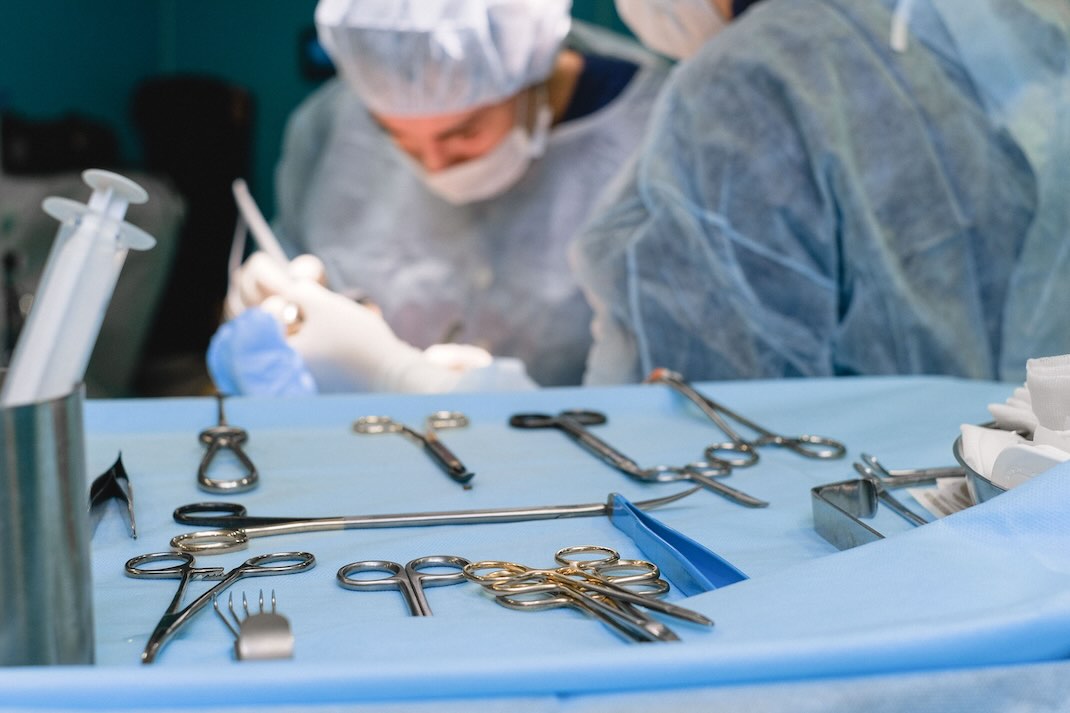
For people evaluating their options to address chronic or severe knee pain, the question of “how long does knee replacement surgery last?” is rarely about the time spent in the operating room alone. It reflects deeper concerns about durability, recovery time, and whether the decision will truly restore mobility after years of limitation. These concerns are well founded.
Knee replacement is a major joint replacement procedure, and patients deserve clarity. Long-term data provides that clarity.
A large analysis published in The Lancet found that approximately 82% of total knee replacements and 70% of partial knee replacements are still functioning well 25 years after surgery. While the teaching used to be that a knee replacement lasts for 10-15 years in 90% of patients, new surgical techniques and better materials, and adherence to pre-surgical exercise and post-surgical rehabilitation can easily increase the lifespan of your knee replacement in this day and age.
For many patients, this means a single operation can deliver decades of improved knee function.
Knee Replacement Surgery - Timelines & Lifespans
How long will a surgically replaced knee last?
Knee replacement lifespan is usually measured in decades. For most knee replacements, a 20-year outcome is common, and many go well beyond that.
That said, the actual lifespan of a knee implant for an individual depends on several factors: the type of implant, your activity level, weight, alignment, and the condition of the surrounding bone.
How many hours is a full knee replacement surgery?
It is likely that many people imagine an all-day event for something as impactful as joint replacement surgery. A major study reviewing 92,343 primary total knee arthroplasties reported a median surgical duration of 106 minutes. It is far less prolonged than many expect.
In most cases, total knee replacement surgery usually requires less than 2 hours in the operating room, with variation depending on individual factors.
Total Knee Replacement vs Partial Knee Replacement
During total knee arthroplasty, the procedure involves replacing worn surfaces where bones rub, typically from advanced arthritis and damaged cartilage. The surgeon prepares the thigh bone and shin bone, then secures metal implants and a plastic component that functions as the bearing surface. A plastic spacer helps restore smooth motion and stability as you bend and straighten. In other words, you’re getting a new knee built from durable, carefully matched parts.
A partial knee replacement treats only one compartment of the knee joint, preserving more native structures. The decision is based on the pattern of knee damage, ligament integrity, and whether arthritis is localized or widespread. An artificial knee joint can feel very natural when the indication is right, but partial procedures aren’t “smaller” in importance. They’re simply more selective.
How painful is a total knee replacement?
There is pain after surgery, especially in the first few weeks. However, it rarely prevents people from moving, sleeping, and participating in rehab.
Total knee replacements are done with modern anesthesia techniques and multi-modal pain strategies. You’ll still feel soreness and tightness, and physical therapy can be uncomfortable early on, because regaining the knee’s range is work. But in the longer view, the result is less pain on a daily basis, better knee function, and improved mobility compared with the preoperative baseline.
What affects implant longevity and why patients get revisions
People often ask how many years does a knee replacement surgery last, and they really mean: “Will I need revision surgery?” The risk is real, but it’s not the default outcome. A knee replacement implants can fail earlier than expected for reasons that include loosening, infection, instability, and wear of the plastic implants. There’s also the simple fact that younger patients tend to place higher lifetime demand on an artificial joint.
Lifestyle matters too. High-impact sport, significant weight gain, or ignoring rehab can affect long-term outcomes. Overall health influences outcomes as well, including the ability to rebuild strength and tolerate rehabilitation.
How can you tell when a knee replacement is worn out?
The warning signs are usually functional before they’re dramatic. Persistent pain that returns after a period of improvement, swelling that doesn’t settle, new instability, or declining confidence on stairs can all signal a problem. Some people describe a sense that the knee is “shifting,” or that motion feels mechanically different.
It’s also important not to jump to conclusions. Not every ache means the implant is failing. Tendon irritation, back or hip issues, or a ramp-up in activity can mimic implant pain.
Serious complications are uncommon, but when they occur, early diagnosis matters.
Are You Considering Knee Surgery?
Numbers help, but they don’t answer the real question: where you fit. Knee replacement depends on what’s happening inside your knee joint, how advanced the damaged cartilage is, and whether your symptoms come from one area or the entire joint.
At Ortho MD Surgery, we start by confirming the true driver of your knee pain and whether there’s still a role for conservative treatments, other surgical interventions, or if total knee replacement surgery is the best way to relieve your pain and restore function.
If you want a clear plan based on your imaging, goals, and overall health, contact Ortho MD Surgery to book a consultation.
References (APA)
Cleveland Clinic. (2025, November 11). Knee replacement (arthroplasty): What it is & recovery time. https://my.clevelandclinic.org/health/treatments/8512-knee-replacement
Evans, J. T., Walker, R. W., Evans, J. P., Blom, A. W., Sayers, A., & Whitehouse, M. R. (2019). How long does a knee replacement last? A systematic review and meta-analysis of case series and national registry reports with more than 15 years of follow-up. The Lancet, 393(10172), 655–663. https://www.thelancet.com/journals/lancet/article/PIIS0140-6736(18)32531-5/fulltext
Harvard Health Publishing. (2021, March 29). How long will my hip or knee replacement last? https://www.health.harvard.edu/blog/how-long-will-my-hip-or-knee-replacement-last-2018071914272
Mayo Clinic. (2024, November 15). Knee replacement. https://www.mayoclinic.org/tests-procedures/knee-replacement/about/pac-20385276
Morcos, M. W., Nowak, L., & Schemitsch, E. (2021). Prolonged surgical time increases the odds of complications following total knee arthroplasty. Canadian Journal of Surgery, 64(3), E273–E279. https://www.canjsurg.ca/content/64/3/E273
Ravi, B., et al. (2019). Surgical duration is associated with an increased risk of periprosthetic infection following total knee arthroplasty: A population-based retrospective cohort study. EClinicalMedicine, 16, 74–80. https://www.thelancet.com/journals/eclinm/article/PIIS2589-5370(19)30167-1/fulltext
You may also like




Speak Directly with a Surgeon This Week
No referral needed.
.svg)
.svg)
.svg)
.svg)
